
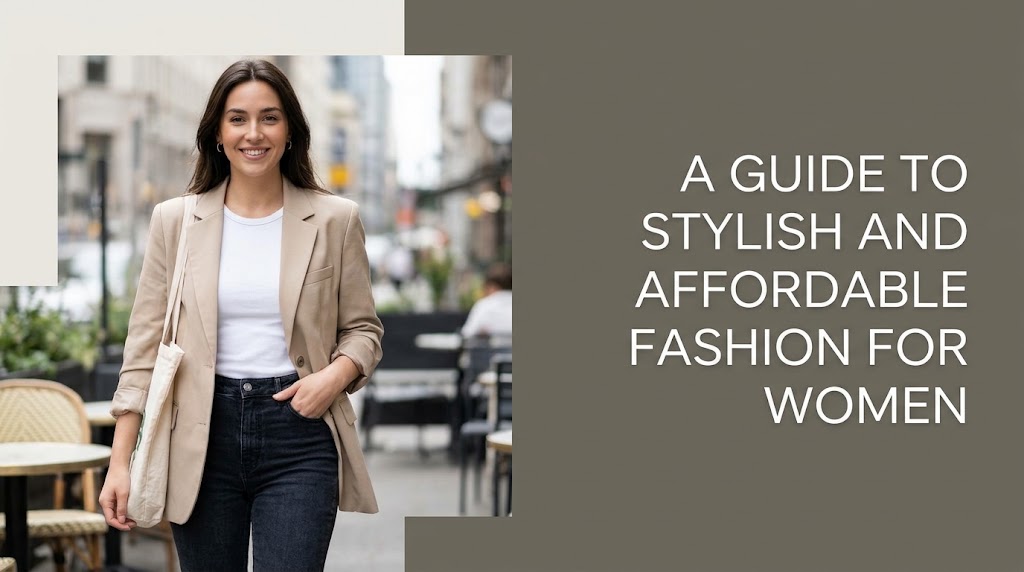
There is a pervasive myth in the fashion world that looking polished, modern, and elevated requires a designer budget. We are frequently bombarded with images of head-to-toe luxury outfits, leading many women to believe that great style is directly tied to price tags.
The truth? Great style is a skill, not a price point.
Looking exceptionally well-dressed is about understanding proportion, fabric composition, color harmony, garment care, and strategic shopping. When you master these elements, a $30 thrifted blazer can look far more sophisticated than a $1,000 designer piece that fits poorly or is styled carelessly.
In this comprehensive guide, you will discover actionable frameworks to curate a high-end aesthetic on a sensible budget. We will cover calculating cost-per-wear, identifying quality fabrics, thrift and resale strategies, high-low styling formulas, common budget-fashion traps, and maintenance hacks that keep affordable garments looking brand-new for years.
1. The Psychology of Smart Shopping: Mindset Shifts for Budget Fashion
Before stepping into a store or opening a shopping app, you must reset how you approach fashion purchases. Most budget shoppers fall into the “cheap trap”—buying dozens of low-quality items simply because they are on sale, ending up with a closet full of clothes and nothing to wear.
                         ┌─────────────────────────────────┐
                         │   THE SMART SHOPPER MINDSET    │
                         └────────────────┬────────────────┘
                                          │
       ┌──────────────────────────────────┼──────────────────────────────────┐
       ▼                                  ▼                                  ▼
 ┌───────────────┐                  ┌───────────────┐                  ┌───────────────┐
 │ COST-PER-WEAR │                  │ 3-OUTFIT RULE │                  │ GAP IDENTIFY  │
 ├───────────────┤                  ├───────────────┤                  ├───────────────┤
 │ Price ÷ Wears │                  │ Pairs with 3  │                  │ Fills a real  │
 │ = True Value  │                  │ closet items  │                  │ wardrobe gap  │
 └───────────────┘                  └───────────────┘                  └───────────────┘
The Cost-Per-Wear (CPW) Formula
Price tag alone does not determine whether an item is affordable. Real value is measured by Cost-Per-Wear.
-
Scenario A: A trend-driven fast-fashion top costs $25. It shrinks, pills, or falls out of style after 2 wears.
$$\text{CPW} = \frac{\$25}{2} = \$12.50\text{ per wear}$$ -
Scenario B: A structured, high-quality wool-blend coat costs $180. You wear it 3 times a week across 5 winter months (60 wears per year) for 3 years (180 total wears).
$$\text{CPW} = \frac{\$180}{180} = \$1.00\text{ per wear}$$
Even though Scenario B has a higher upfront cost, it is significantly more affordable over time.
The 3-Outfit Integration Test
Never buy a garment unless you can instantly name three distinct outfits you can create using items already in your wardrobe.
Example: If you are eyeing a pair of olive green wide-leg trousers, verify that they pair with:
Your existing fitted white crewneck tee and sneakers (casual).
Your black turtleneck and loafers (workwear).
Your silk-blend camisole and strappy heels (evening/dinner).
If you have to purchase new shoes or a specific top just to wear those trousers, the true cost of that item doubles immediately.
2. Fabric Decoding & Construction: Spotting High Quality at Low Price Points
To make budget clothing look expensive, you must learn to read garment tags and evaluate construction details like a textile professional. High-end visual signals often come down to weight, drape, and stitch density.
┌─────────────────────────────────────────────────────────────────────────┐
│                      FABRIC QUALITY EVALUATION MATRIX                   │
├──────────────────┬──────────────────────────┬───────────────────────────┤
│ FABRIC CLASS     │ LOOK FOR (PREFERRED)     │ AVOID (LOOKS CHEAP)       │
├──────────────────┼──────────────────────────┼───────────────────────────┤
│ Natural Fibers   │ 100% Cotton, Linen, Wool │ Coarse, scratchy weaves   │
├──────────────────┼──────────────────────────┼───────────────────────────┤
│ Synthetic Blends │ Viscose, Rayon, Tencel   │ High-shine 100% Polyester │
├──────────────────┼──────────────────────────┼───────────────────────────┤
│ Knitwear         │ Dense double-knit, Cotton│ Thin, see-through acrylic │
├──────────────────┼──────────────────────────┼───────────────────────────┤
│ Hardware         │ Weighty metal zippers    │ Lightweight plastic chrome│
└──────────────────┴──────────────────────────┴───────────────────────────┘
Fabric Selection Rules
1. Prioritize Natural Fibers & Elevated Synthetics
-
Cotton & Heavy Denim: Rigid 100% cotton or high-cotton blend denim (98% cotton, 2% elastane) holds structure better than high-stretch polyester denim blends.
-
Linen & Tencel/Lyocell: Tencel and Lyocell offer an elegant, silk-like drape at a fraction of the cost, breathing beautifully in warm weather.
-
Viscose & Rayon: These semi-synthetic fibers mimic high-end silk matte finishes far better than cheap polyester satins.
2. Beware of High-Shine Polyester
Uncoated, cheap polyester reflects light unnaturally, instantly signaling low garment quality. If buying polyester items, choose matte fabrics, heavy crepes, or textured knits.
Construction Details That Signal Quality
When shopping at budget stores (like H&M, Zara, Target, or ASOS), inspect the following details before heading to the register:
-
Stitch Density: Look for tight, straight, closely spaced seams. Loose, long stitches unravel quickly under tension.
-
Pattern Matching: Check patterned garments (plaid, stripes, houndstooth) at the side seams. Higher-quality garments align patterns along the seams; misaligned prints signal rushed production.
-
Hems and Weight: Look for clean blind-stitched or generous folded hems. A wider hem adds weight to the bottom of skirts and trousers, giving them a graceful sway when you walk.
-
Button Quality: Plastic, flimsy buttons drag down an otherwise nice jacket.
Pro Tip: Swap out cheap plastic buttons on an affordable blazer with horn, tortoise-shell, or brushed brass buttons from a local craft shop. This simple $5 upgrade instantly elevates the entire garment.
3. The High-Low Styling Strategy: Where to Save vs. Where to Invest
Elevated personal style rarely requires spending top dollar on every piece. Instead, top stylists use the High-Low Formula: mixing budget basics with select high-quality anchor pieces.
       ┌──────────────────────────────────────────────────────────┐
       │                   THE HIGH-LOW BALANCE                   │
       └────────────────────────────┬─────────────────────────────┘
                                    │
           ┌────────────────────────┴────────────────────────┐
           ▼                                                 ▼
┌──────────────────────┐                          ┌──────────────────────┐
│   INVEST IN (HIGH)   │                          │    SAVE ON (LOW)     │
├──────────────────────┤                          ├──────────────────────┤
│ • Tailored Outerwear │                          │ • Basic Cotton Tees  │
│ • Leather Footwear   │                          │ • Trend Accessories  │
│ • Everyday Handbag   │                          │ • Seasonal Tops      │
│ • Core Denim         │                          │ • Layering Camis     │
└──────────────────────┘                          └──────────────────────┘
Where to Save (Buy Low)
-
Basic T-Shirts & Tank Tops: High-frequency wear leads to underarm discoloration and wash-wear regardless of price point. Stock up on mid-weight cotton tees from accessible brands.
-
Micro-Trend Pieces: If a trend (like bright chrome accessories or asymmetrical cutouts) has a short shelf life, stick to budget retailers or secondhand apps.
-
Layering Pieces: Camisoles, tissue-weight turtlenecks, and lounge socks do not need luxury tags to function well.
Where to Invest (Buy High or Thrift Premium)
-
Structured Outerwear: A high-quality tailored coat or structured trench instantly upgrades whatever you wear underneath—even a basic sweatshirt and leggings.
-
Leather Footwear: Real leather shoes mold to your feet over time, provide proper support, and can be resoled by a cobbler.
-
Structured Everyday Handbag: Choose leather or high-grade vegan leather bags with minimal hardware, clean lines, and neutral colors (tan, black, navy, or cream). Avoid overt logos, which age quickly.
Styling Example:
Low: White crewneck tee ($15) + High-waisted wide-leg trousers ($35)
High: Vintage leather belt ($40 secondhand) + Tailored wool-blend blazer ($120 investment) + Structured leather loafers ($110)
Total Effect: A refined, professional ensemble that feels luxurious, built for a fraction of boutique retail prices.
4. The Art of Thrifting, Resale Apps & Sample Sales
Secondhand shopping is no longer just about digging through dusty bins. It has evolved into a streamlined way to buy designer and premium-brand clothes at deep discounts.
┌─────────────────────────────────────────────────────────────────────────┐
│                    SECONDHAND SHOPPING CHEAT SHEET                      │
├──────────────────┬──────────────────────────┬───────────────────────────┤
│ PLATFORM         │ BEST FOR                 │ SEARCH SEARCH PRO-TIP     │
├──────────────────┼──────────────────────────┼───────────────────────────┤
│ Poshmark / Depop │ Specific brand names &   │ Filter by "NWT" (New With │
│                  │ exact shoe sizes         │ Tags) & material types    │
├──────────────────┼──────────────────────────┼───────────────────────────┤
│ ThredUP          │ Everyday wardrobe basics │ Use filter: Fabric =      │
│                  │ & mid-tier mall brands   │ 100% Silk / 100% Wool     │
├──────────────────┼──────────────────────────┼───────────────────────────┤
│ Local Thrift     │ Oversized blazers, real  │ Shop in men's section for │
│ (Goodwill/Local) │ leather coats & belts    │ structured outerwear      │
└──────────────────┴──────────────────────────┴───────────────────────────┘
Mastering Digital Resale Apps (Poshmark, Depop, Vinted, eBay)
-
Search by Material, Not Just Brand: Instead of searching for “black sweater,” try searching for “100% Cashmere black turtleneck” or “100% Silk cream blouse.” This uncovers hidden luxury gems listed by sellers who haven’t tagged specific brand names.
-
Know Your Measurements: Clothing sizes vary wildly across brands and eras. Keep a note on your phone with your exact body measurements (bust, natural waist, high hip, inseam, shoulder width). Ask sellers for flat-lay measurements before purchasing, since resale sales are often final.
-
Save Searches & Like Items: Like items on Poshmark or eBay without buying right away. Many sellers send private discount offers within 24 to 48 hours.
Thrift Store Hacks for Physical Stores
-
Head Straight to the Outerwear & Men’s Sections: Men’s coats and blazers often use heavier, higher-quality wools and structured shoulder cuts. An oversized men’s tweed blazer tailored at the sleeves creates a chic, modern silhouette.
-
Inspect Key Wear Areas: Before purchasing secondhand items, check high-friction zones: armpits (stains/wear), inner thighs (pilling/thinning), collar lines (makeup build-up), and zipper functionality.
5. Tailoring Secrets: The $20 Upgrade That Changes Everything
The secret behind high-fashion styling is simple: clothes look expensive when they fit your body perfectly. Off-the-rack clothing is designed around generic average proportions, which rarely fit individual body shapes perfectly.
Buying an inexpensive garment one size up and having a tailor adjust it to your body is one of the most effective ways to look polished on a budget.
       Off-the-Rack (Budget Garment)
                   │
                   ▼
       Buy 1 Size Larger for Room
                   │
                   ▼
     Take to Local Tailor ($15 - $30)
  ┌────────────────┼────────────────┐
  ▼                ▼                ▼
Hem Trouser    Take in Waist   Shorten Sleeves
  │                │                │
  └────────────────┼────────────────┘
                   │
                   ▼
     Looks Custom-Made & Expensive
High-Impact, Low-Cost Tailoring Adjustments
-
Hemming Trousers ($15–$25): Tailor your pants to hit at the ideal height for your preferred shoes (flat sneakers vs. 2-inch heels). Pants that drag on the ground instantly look messy.
-
Taking in the Waist ($20–$35): Eliminate the gap at the back of your jeans or trousers for a sleek, custom fit.
-
Shortening Jacket Sleeves ($20–$30): Jacket sleeves that cover your knuckles look borrowed. Having them hemmed to hit right at your wrist bone elevates the entire silhouette.
-
Tapering Boxy Dresses ($20–$30): Adding subtle waist darts transforms a shapeless shift dress into a flattering silhouette.
Pro Tip: When shopping budget fast-fashion, size up if an item runs small or feels tight across the shoulders or hips. It is much easier (and cheaper) for a tailor to take a garment in than to try letting seam allowances out.
6. Maintenance & Garment Care: Making Affordable Clothes Last
A $30 shirt properly cared for will look better and last longer than a $300 shirt that is repeatedly tumble-dried on high heat. Proper garment maintenance preserves fabric integrity, color depth, and structure.
┌─────────────────────────────────────────────────────────────────────────┐
│                     THE 5-STEP GARMENT CARE SYSTEM                      │
├─────────────────────────────────────────────────────────────────────────┤
│ 1. STEAM, DON'T IRON ──► Steaming relaxes fibers without scorch marks.  │
│ 2. WASH ON COLD     ──► Prevents shrinking, fading, and fiber breakdown. │
│ 3. AIR DRY ALWAYS   ──► Dryer heat destroys elastic and causes pilling.  │
│ 4. USE FABRIC SHAVER──► Removes pills from knitwear to restore finish.  │
│ 5. UPGRADE HANGERS  ──► Swap wire hangers for padded or velvet options. │
└─────────────────────────────────────────────────────────────────────────┘
Essential Garment Care Habits
-
Invest in a Handheld Clothes Steamer: Wrinkled garments instantly signal low quality. Steaming removes wrinkles rapidly, refreshes fabrics between washes, and eliminates the risk of scorch marks from traditional irons.
-
Wash Inside Out on Cold & Air Dry: Heat from dryers breaks down synthetic fibers, shrinks cotton, and degrades elastane. Hang or lay flat to dry to double the life of your wardrobe.
-
Use a Fabric Shaver (Pill Remover): Friction creates small fuzz balls (pills) on sweaters, blazers, and coats. Running a battery-operated fabric shaver over your knitwear takes under two minutes and makes old sweaters look brand-new.
-
Switch to Velvet or Padded Hangers: Wire hangers stretch out shoulder seams, leaving permanent “shoulder bumps” in tops and knits. Velvet hangers protect garment shapes while saving closet space.
7. Common Budget Fashion Pitfalls & Mistakes to Avoid
Even with the best intentions, it is easy to slip into buying habits that drain your wallet while cluttering your closet. Here are four common traps and how to avoid them:
1. The “Sale Trap” (Buying Because It’s Cheap)
-
The Error: Purchasing an ill-fitting or awkwardly colored piece simply because it was marked down by 70%.
-
The Fix: Ask yourself: “Would I buy this item at full price?” If the answer is no, leave it on the rack. A bad purchase is a waste of money regardless of the discount.
2. Over-Indexing on Fast-Fashion Prints
-
The Error: Buying inexpensive items covered in loud, trendy patterns. Loud prints from fast-fashion retailers repeat often and age quickly, making them easy to identify across seasons.
-
The Fix: Stick primarily to rich solid colors (cream, camel, navy, olive, burgundy, black) for budget buys. Solid colors conceal low-cost manufacturing far better than cheap printed patterns.
3. Wearing Loud Fake Designer Logos
-
The Error: Carrying knockoff bags or garments plastered with imitation luxury logos. Knockoff logos draw scrutiny and undermine an otherwise stylish outfit.
-
The Fix: Embrace unbranded minimalist accessories. A clean, sleek leather bag with zero visible branding looks far more expensive and sophisticated.
4. Neglecting Footwear and Bag Maintenance
-
The Error: Wearing scuffed shoes, dirty sneaker soles, or bags with frayed handles. Scuffed shoes drag down even the most well-tailored outfit.
-
The Fix: Wipe down sneaker midsoles regularly with a magic eraser. Keep black and brown shoe polish on hand to touch up scuffs on leather boots and flats.
Frequently Asked Questions
How can I make cheap fast-fashion clothes look more expensive instantly?
Focus on three quick steps: First, steam out every wrinkle. Second, swap out cheap plastic buttons for horn, wooden, or metal options. Third, pair the item with structured accessories (like a leather belt and structured handbag) and ensure your footwear is clean and polished.
What are the best colors to wear if I want to look polished on a budget?
Monochromatic palettes and rich neutral tones naturally project luxury. Outfits built around head-to-toe cream, monochrome black, deep navy, rich camel, or warm olive look naturally high-end. Darker, richer tones also hide lower-cost fabric textures better than bright pastel synthetics.
Is it worth tailoring inexpensive clothes?
Yes! A $30 pair of trousers with a $20 tailoring adjustment ($50 total investment) will look significantly better on you than an un-tailored $150 designer pair. Fit is the single biggest factor in how expensive clothes look when worn.
How do I build a capsule wardrobe when starting with a small budget?
Start by choosing 10 to 12 core items in a tight, complementary color palette (e.g., 2 pairs of trousers, 1 pair of dark denim, 3 solid tops, 1 blazer, 1 trench coat, 1 knit sweater, 2 pairs of versatile shoes). Focus all initial purchases on versatile solids that mix and match effortlessly before adding accent pieces.
Master Your Style Without Breaking the Bank
Building an elevated, stylish wardrobe is not about how much money you spend—it is about making thoughtful, informed choices. By evaluating fabric compositions, focusing on fit, leveraging secondhand tools, and caring for your clothes properly, you can curate a wardrobe that looks expensive, feels confident, and respects your budget.
Your Next Step:
Go through your closet today and pick out three items that feel slightly off. Inspect their hems, check if they need steaming or pilling removal, or set them aside for a quick tailoring session. Applying these simple adjustments will transform your daily outfits right away!
