
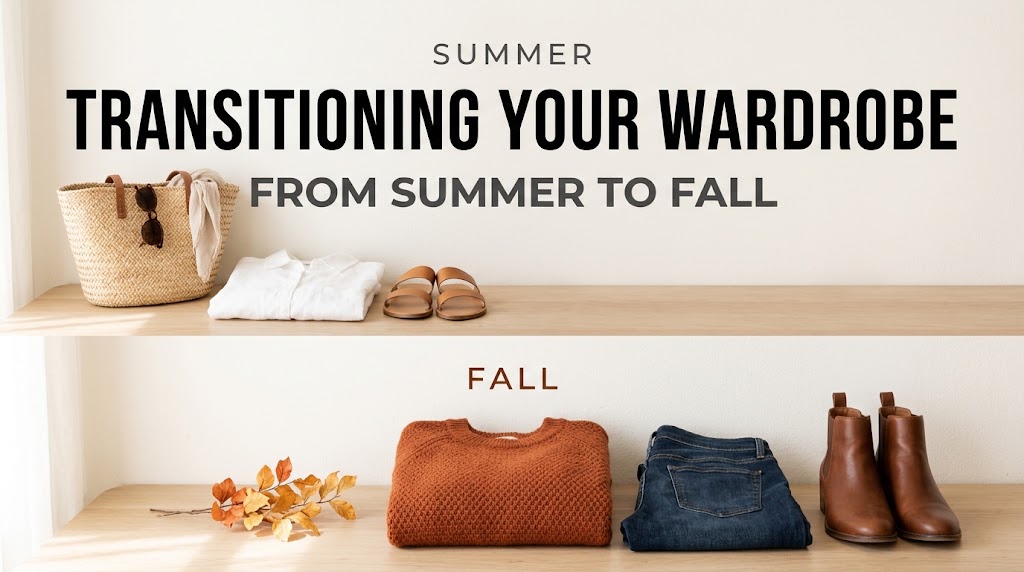
As August’s sweltering heat gives way to the crisp afternoon breezes of September and October, getting dressed in the morning becomes a daily puzzle. You step outside in a cozy knit only to sweat through it by noon, or you step out in a sleeveless sundress only to freeze once the sun dips below the horizon.
This awkward shoulder season—when weather fluctuates wildly within a single 12-hour period—presents a unique sartorial challenge. However, bridging the gap between summer warmth and fall crispness does not require clearing out your closet or spending a fortune on a completely new seasonal wardrobe.
Instead, master fashion strategists rely on a systematic approach: transitional styling. By strategically blending lightweight summer silhouettes with rich autumnal textures, rich color palettes, and smart layering piece-by-piece, you can build a versatile wardrobe that looks effortlessly curated regardless of the temperature gauge.
In this comprehensive guide, we will break down the exact blueprint to shift your closet from late summer into full-blown autumn while maximizing your existing wardrobe investments.
The Economics & Strategy of Transitional Dressing
Before diving into specific outfit formulas, it is essential to understand the mindset of a curated transitional closet. Moving between seasons isn’t just about warmth; it is an exercise in visual balance, tactile contrasts, and wardrobe ROI (Return on Investment).
                      TRANSITIONAL FASHION MATRIX
┌─────────────────────────┬─────────────────────────┬─────────────────────────┐
│     LIGHT SUMMER BASE   │    +   FALL TEXTURES    │    = HARMONIOUS LOOK    │
├─────────────────────────┼─────────────────────────┼─────────────────────────┤
│ Linen Slip Dress        │ Tailored Wool Blazer    │ Balanced & Weather-Proof│
│ Cotton Tank Top         │ Suede Trench Coat       │ Effortless Street Style │
│ Flowy Maxi Skirt        │ Chunky Leather Boots    │ Tactile Visual Contrast │
└─────────────────────────┴─────────────────────────┴─────────────────────────┘
Key Takeaway: The 50/50 Rule
Transitional dressing relies on the 50/50 Rule: every successful shoulder-season outfit consists of roughly 50% summer elements (breathable fabrics, bare ankles, open necklines) and 50% fall elements (rich textures, deep tones, heavier structure).
Primary Benefits of Mastering the Transition
-
Cost Efficiency: Extends the lifecycle of your summer favorites by 2 to 3 months.
-
Closet Optimization: Minimizes closet clutter through strategic capsule curation.
-
Elevated Style: Dynamic contrast (e.g., pairing delicate silk with heavy knitwear or rugged leather) creates instantly sophisticated looks.
Step 1: Audit and Archive Your Summer Closet
The biggest mistake women make when fall arrives is packing away their entire summer wardrobe at the first sign of a cool breeze. Transitioning your closet begins with a thorough audit to separate pure summer pieces from multi-season keepers.
                      WARDROBE AUDIT FLOWCHART
                             [ALL CLOTHES]
                                   │
                ┌──────────────────┴──────────────────┐
        (Pure Summer?)                        (Transitional Keeper?)
                │                                     │
    ┌───────────┴───────────┐             ┌───────────┴───────────┐
    │ • Beach cover-ups     │             │ • Slip dresses/skirts │
    │ • Flip-flops/sandals  │             │ • Lightweight tanks   │
    │ • Tropical prints     │             │ • Button-down shirts  │
    └───────────┬───────────┘             └───────────┬───────────┘
                │                                     │
                ▼                                     ▼
        [ Archive/Storage ]                   [ Active Fall Closet ]
1. The Pure Summer Category (Archive These)
Store items that cannot be repurposed for cooler weather due to color, material, or silhouette:
-
Linen beach cover-ups and sarongs
-
Tropical/neon vacation prints
-
Espadrilles, jelly sandals, and rubber flip-flops
-
Strapless sundresses in paper-thin cotton
2. The Bridge Category (Keep Active)
Retain items that serve as ideal foundation layers:
-
Slip Dresses & Skirts: Silk and satin layer seamlessly under chunky knits.
-
Neutral Tank Tops & Tees: Essential base layers under blazers and jackets.
-
Cotton Button-Downs: Ideal over tanks or under sweater vests.
-
Denim Skirts & Wide-Leg Jeans: Year-round staples that pair effortlessly with boots.
Step 2: Swap Your Color Palette and Textures
You can wear lightweight summer fabrics well into October if you shift your visual presentation. The easiest way to signaling autumn without overheating is updating your palette and texture choices.
                   COLOR & TEXTURE SHIFT MATRIX
┌───────────────────────────────┬───────────────────────────────┐
│     SUMMER PALETTE/FABRIC     │      FALL PALETTE/FABRIC      │
├───────────────────────────────┼───────────────────────────────┤
│ Pastel Yellow, Sky Blue, Pink │ Ochre, Navy, Espresso, Burgundy│
│ Bright Crisp White            │ Warm Cream, Ecru, Camel       │
│ Airbrushed Cotton & Linen     │ Suede, Ribbed Knit, Leather   │
└───────────────────────────────┴───────────────────────────────┘
Palette Shift: Summer Brights to Grounded Earth Tones
-
Replace bright optic white with warm cream, ivory, or taupe.
-
Transition from ocean blues and soft pastels to rich ochre, deep forest green, burgundy, espresso, and deep navy.
-
Introduce classic autumn pattern grounds such as houndstooth, plaid, and tortoiseshell.
Texture Shift: Airbrushed Lightweight to Heavy Structure
Tactile contrast elevates transitional outfits:
-
Pair a delicate satin bias-cut skirt with a heavy gauge cashmere sweater.
-
Pair a crisp cotton poplin shirt under a soft suede utility jacket.
-
Pair light linen trousers with a structured tailored wool blazer.
Pro Tip: Keep your silhouette light and your color dark. A lightweight sleeveless midi dress in black, chocolate brown, or plum immediately looks like fall, even on an 85°F (29°C) afternoon.
Step 3: The Essential Layering Blueprint
Layering is an art form. Done wrong, it adds unnecessary bulk and causes discomfort throughout the day; done right, it creates depth, dimension, and temperature control.
                      THE 3-TIER LAYERING SYSTEM
┌─────────────────────────────────────────────────────────────────┐
│ BASE LAYER: Breathable Foundations                              │
│ (Silk slip, ribbed tank, cotton t-shirt)                        │
├─────────────────────────────────────────────────────────────────┤
│ MID LAYER: Temperature Adjusters                                │
│ (Cardigan, button-down shirt, sweater vest, unstructured blazer)│
├─────────────────────────────────────────────────────────────────┤
│ OUTER LAYER: Structural Protection                              │
│ (Trench coat, leather jacket, suede shacket, tailored overcoat) │
└─────────────────────────────────────────────────────────────────┘
Tier 1: The Breathable Base
Your base layer should always handle mid-afternoon heat on its own. Stick to soft, breathable fibers like pima cotton, silk, modal, or micro-ribbed knits.
-
Example: High-neck white rib tank top tucked into high-waisted denim.
Tier 2: The Mid-Layer Adjuster
This layer provides warmth during early morning commutes and unbuttoned style during chilly office hours.
-
Options: Oversized cotton button-down, fine-gauge cashmere cardigan, lightweight sweater vest.
-
Example: Drape a crewneck sweater over your shoulders like a scarf during warm hours, then slip it on when temperatures cool down.
Tier 3: The Structured Outer Shell
Outerwear sets the tone for autumn outfits. For shoulder season, prioritize unlined or mid-weight jackets:
-
The Classic Trench Coat: The ultimate transitional staple for rain and light wind.
-
The Oversized Leather Bomber or Biker Jacket: Adds instant edge and structure to soft dresses.
-
The Suede Shacket (Shirt-Jacket): Offers rich texture without heavy weight.
                       TRANSITIONAL FORMULAS

  [Silk Slip Dress]   + [Chunky Crewneck Sweater] + [Ankle Boots]

  [White Tank Top]    + [Oversized Trench Coat]   + [Tailored Loafers]

  [Summer Mini Skirt] + [Oversized Leather Jacket]+ [Knee-High Boots]
Step 4: Transitional Footwear Swaps
Footwear immediately grounds an outfit in a specific season. Packing away open-toed sandals is the quickest way to transition your style into autumn.
                       FOOTWEAR TRANSITION CHART
┌─────────────────────────┬─────────────────────────┬─────────────────────────┐
│     SUMMER FOOTWEAR     │  TRANSITIONAL SWAP      │        FALL SWAP        │
├─────────────────────────┼─────────────────────────┼─────────────────────────┤
│ Strappy Heeled Sandals  │ Chunky Leather Loafers  │ Knee-High Riding Boots  │
│ Canvas Espadrilles      │ Ballet Flats / Mary Janes│ Sleek Ankle Booties    │
│ Slide Sandals           │ Retro Leather Sneakers  │ Lug-Sole Combat Boots   │
└─────────────────────────┴─────────────────────────┴─────────────────────────┘
High-Impact Footwear Transitions
1. The Tailored Loafer
-
Why it works: Keeps your feet covered and warm while leaving your ankles bare, maintaining a light overall silhouette.
-
Styling: Pair lug-sole or horsebit loafers with bare legs and midi skirts during early fall, then add crew socks as temperatures drop.
2. Ballet Flats & Mary Janes
-
Why it works: Adds polish to casual outfits without heavy boot hardware.
-
Styling: Style metallic or rich suede ballet flats with cropped jeans and a lightweight knit sweater.
3. Knee-High Leather Boots with Summer Hemlines
-
Why it works: The combination of bare legs, short hemlines, and tall boots is a signature transitional formula.
-
Styling: Wear knee-high riding or western boots under a summer floral mini dress or denim skirt.
Step 5: Essential Transitional Capsule Items
To build an efficient, interchangeable capsule wardrobe, focus on these ten versatile core items:
Common Pitfalls & How to Avoid Them
Even seasoned style enthusiasts run into common transitional dressing mistakes. Here is how to avoid them:
1. Ditching Summer Whites Too Early
-
The Mistake: Retiring white denim and trousers immediately after Labor Day.
-
The Fix: Transition whites into fall by swapping crisp optic white for warmer cream, ivory, or ecru. Pair white jeans with rich chocolate brown knits, suede loafers, and camel outerwear.
2. Over-Layering Thick Materials
-
The Mistake: Wearing heavy wool coats over chunky sweaters in early fall, leading to overheating by midday.
-
The Fix: Layer by weight variance. Pair heavy outer layers over thin base tops, or light outer layers over medium-weight knits.
3. Ignoring Fabric Breathability
-
The Mistake: Choosing cheap synthetic fall knits (like 100% polyester) that trap heat and lack breathability during warm afternoons.
-
The Fix: Invest in natural, breathable fibers like cotton, silk, fine merino wool, and linen-wool blends that naturally regulate temperature.
Frequently Asked Questions (FAQ)
How can I continue wearing my summer dresses in the fall?
Layer a crewneck or turtleneck sweater over your dress so it functions as a skirt, or layer a fitted turtleneck underneath a sleeveless dress. Swap sandals for ankle or knee-high boots and complete the look with a leather jacket or trench coat.
How do I transition my wardrobe on a limited budget?
Focus on high-impact accessory swaps rather than buying new clothing. Adding suede loafers, a rich cognac leather belt, a structured handbag, and a lightweight autumn scarf instantly updates your summer base pieces for under $100.
What is the best way to handle morning-to-afternoon temperature swings?
Use the Base + Mid + Outer system. Ensure your base layer (like a ribbed tank top or short-sleeve tee) looks polished on its own when you remove your cardigan, blazer, or trench coat during peak afternoon heat.
Can I wear open-toed shoes in early fall?
Yes, in early shoulder season (September). To make them feel autumn-appropriate, pair open-toed shoes with full-coverage fall elements, such as full-length denim, a lightweight sweater, or a rich autumn color palette (browns, olives, and rusts).
Conclusion: Mastering Seasonal Style
Transitioning your wardrobe from summer to fall doesn’t require a total closet overhaul. By understanding color shifts, mastering textural contrast, and applying smart 3-tier layering rules, you can stretch your wardrobe across seasons with style and ease.
Take time this weekend to audit your closet, pull forward your bridge items, and experiment with new combinations of light summer bases and structured fall layers.
Ready to curate your seasonal look? Download our free Transitional Capsule Checklist or sign up for our newsletter to receive personalized styling guides straight to your inbox!
